Tag: romance novel (Page 2 of 3)

The People Who Live In My Mind

If you have relationships, you live with thoughts of other people, always making their way through your brain. You think of your brother, your child, your friend.

Photo by Duy Pham on Unsplash

“I should call my dad today,” you think. Or, “how can I help or support this person?”

I have all of that. I also have a cast of characters, imagined but real, who inhabit my space. I have the book characters I’m working on right now. I also have those from the next book. These are forefront in my writer’s brain.

But there are also the characters from the the sudden inspiration or nighttime musings. (I try to write them down right away or they can get lost. And that’s a sad, sad thing). I tell myself I will write their story soon, or someday.

Now that I am moving into the mult-genre romance space, it’s getting pretty crowded up there. I have more than 24 historical romances in various stages of planning, from niggling idea, to concept, to basic plotting.

But now I have more than a dozen historical fantasy romance main characters that have moved in.

Contemporary romance? Yes. They too are making an appearance.

I hope, like me, you love romances of all different kind–All clean, all with Happily Ever Afters, but set in different times, and settings, and worlds. Because these people in my mind are clamoring to get out!

And Always Romance

Because Everybody Needs Romance In Their Life

christina-deravedisian-zvJLaHUvWi4-unsplash.jpg

While writing Book 3 in my Rebel Hearts series, I came to a little road block. I wasn’t really worried. This sometimes happens because I’m a discovery writer. I have to sit with my character for a little bit before I know what she or he would do next.

Only this time, while waiting for the clouds to clear, I got an idea for another little story. So, I started writing. That’s what I do, isn’t it?

Only this time, the story wasn’t set in regency England. It is set in a fantasy world. And the main character is a siren! And while I was writing this little novella, the ideas for a full series blossomed in my mind.

vincent-anderson-f5mMjZK_q-s-unsplash.jpg

I made copious notes.

Now, I’m back writing the original work–Book 3 in my regency romance seres. But the time will come when I will write this fantasy series. Later, but I must do it.

This is so outside my usual historical romance. Right?

Except, not really. I realized as I wrote, it’s romance. Each book in the series will be about two people who find each other, who overcome obstacles, who change and grow, and who love. It’s Romance.

Mystery, contemporary, fantasy, suspense. Stories of love and romance can happen any time, in many circumstances, and they can happen in any world.

Do you like to read your romance in one sub-genre exclusively? Or if you find a clean, sweet romance in a different time or place, will you try it?

‘Old-Fashioned’ Romance?’

What does that mean?

I’m not referring to ‘closed door’ here. Though many readers might see that as old-fashioned. But a romance could be a closed door and still not be old-fashioned.

Do you agree?

I looked up old-fashioned in the Dictionary and got this: according to styles or types no longer current or common; not modern.

Other words (not the negative ones, of which there are many) might be:

  • quaint
  • antique
  • out-of-the-way
  • picturesque

Or even better:

  • rare
  • extraordinary
  • whimsical

So, are my romance novels old-fashioned?

If you think it’s old-fashioned for the characters in your historical romances to believe and act consistently, for the most part, with the mores of the period setting, then I’m old-fashioned. (A character may break some rules, but I will acknowledge the societal expectation and show some consequences).

Lydia in Pride and Prejudice is an example. She broke the rules, and though she seems blissfully ignorant, her father and two older sisters are definitely not. There is a price they know they will pay.

In my soon-to-be-released novel, Dear Lord Wycliff, Corinna knows it is improper for her to write to a single, unrelated gentleman. And yes, (spoiler) she faces consequences for her impropriety.

Now, most of my main female characters do chafe at restrictions they face because they are women in the Georgian/Regency era. But I have to believe that there were women in that time who felt the same.

And all of my female characters want a man who will love her and be loyal. They expect it, even demand it. This expectation might not be historically accurate, but I want it, expect it, even demand it. I think it still might be considered old-fashioned by many.

What other Old-Fashioned elements do you think should be in a romance novel?

My Writing Mission, Part 2

Love Is The Key

I wrote last time and tried to capture what I want you to experience as you read my work. And I tried to describe what I want my writing experience to be.

With that in mind, I want you to know these things.

What you’ll find in my stories

Yes to these:

  • Always Romance
  • Delightful, closed-door stories with a Happily Ever Afters
  • Conflict that brings growth in the characters and in the relationships
  • Female characters who are strong or who grow into confidence and capability
  • At the end, a loving, respectful relationship
  • Swoony kisses
  • In a marriage, there may be an acknowledgement (undescribed) of physical intimacy.
  • Perhaps some mild action and violence.
  • Some mention of drinking if it is historically accurate
  • Well-researched detail
  • Literary style
  • PG to very mild PG-13 levels of heat

What you won’t find

No to these:

  • Sex scenes on the page, or acknowledged between unmarried characters
  • Descriptions of erotic touching, arousal, or tongues in kissing
  • Descriptions of nudity
  • Crude humor or commentary
  • Swearing
  • Gratuitous violence

I’m here for all the feels and all the delightful entertainment. I hope you’ll join me.

Humor in Romance

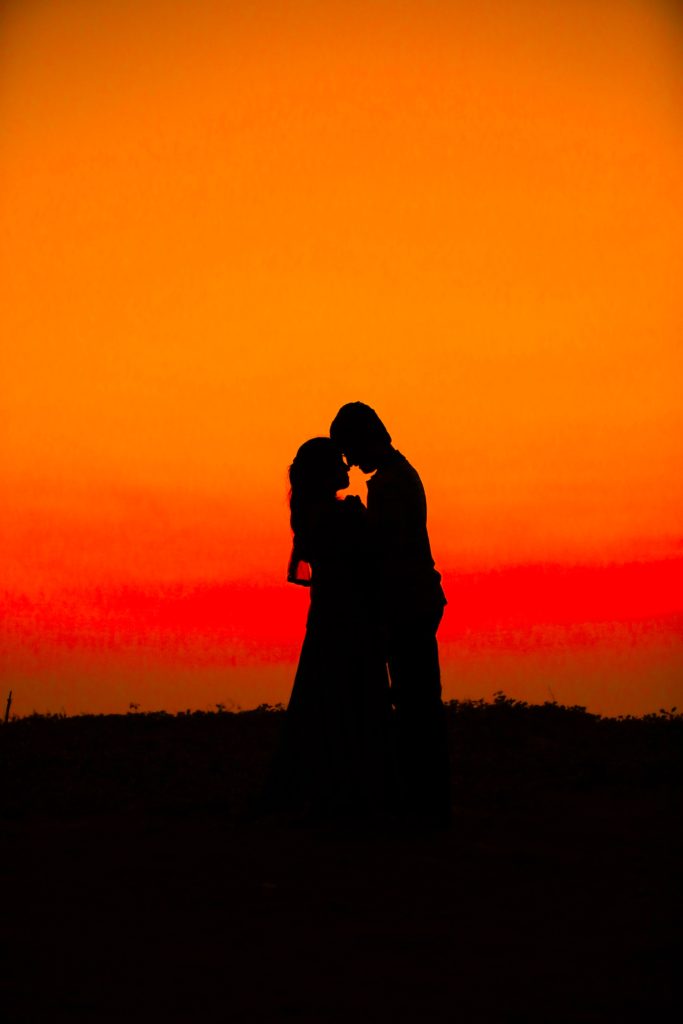
We fall in love, and everything is wonderful. But let’s be honest, the world intrudes. Sometimes things get hard. But we still have that hope that love can endure?

smiling man and woman wearing jackets
Photo by Tristan Le on Pexels.com

Or as Shakespeare wrote:

. . . Love is not love Which alters when it alteration finds, Or bends with the remover to remove. O no, it is an ever-fixed mark That looks on tempests and is never shaken.

That’s the dream in real life. Even if we don’t get that dream, or get to keep that dream, that’s the ideal, the wish, the hope. And that’s what we want in our romance books, isn’t it? A love we can believe will endure.

In a chest of tools that might build that kind of lasting love, the ability to laugh has to be included. Humor allows us to live with the little idiosyncrasies in our partner. It allows us to weather those tempests of life. It builds common experiences and a common language.

On top of all that, it is healthy to laugh. I won’t list the research, but we must laugh more.

Believing this, I try to include some humorous situations or dialogue in each of my novels and novellas. While I’m writing those parts, I am chuckling, or smirking, or laughing out loud. But humor is such a subjective thing. Every time I write something I think is funny, I ask myself: But will that reader laugh?

So, I’d love to hear what you think is funny. When was the last time you just guffawed, in real life or in response to a book, movie, or show? What situations in your life make you roll your eyes and chuckle? What ironies make you shake your head with a helpless titter? What did someone say that surprised a laugh out of you?

I’d love you to share. You never know, you may find a similar situation, conversation, or experience in one of my romance novels in the future.

My Current (Work In Progress) Regency Romance Novel

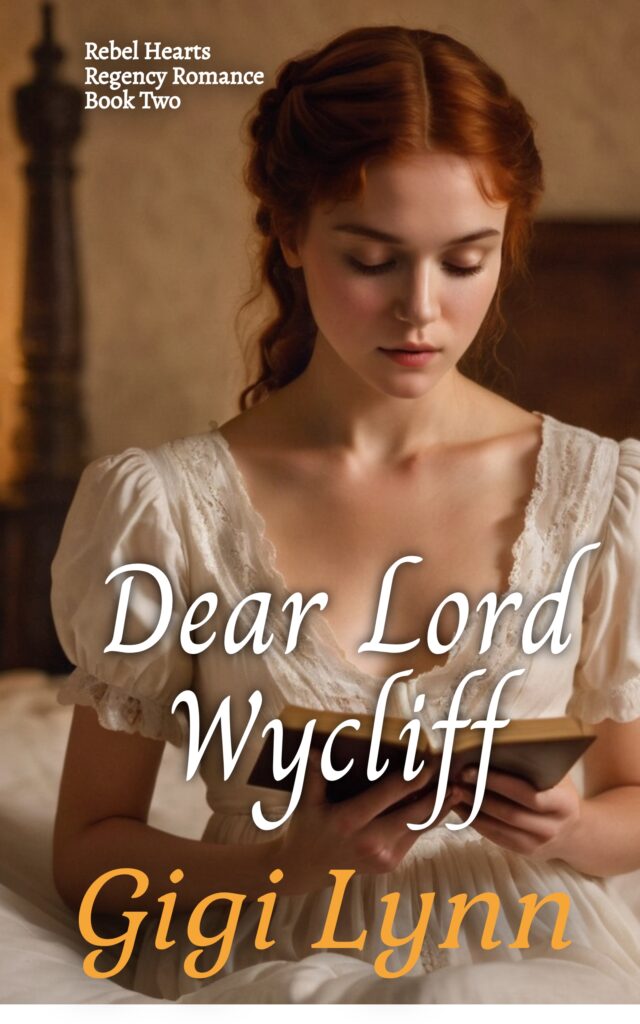
Dear Lord Wycliff–an epistolary romance novel

Most regency romances are set during the London season, which everyone assumes is in the spring.

It is true that by the 1820s that became the norm—A King’s or Queen’s speech in late January or early February convened the parliamentary session. This in turn brought all the noble families to London, and they usually stayed until early August.

But in the 1790s, when the Rebel Hearts Series is set, the King’s speech took place in very late in the fall, (in December in 1792), and the session drew to a close in late May or early June, (occasionally July).

In Dear Lord Wycliff, Book Two of the Rebel Hearts Series, Lady Corinna Capener comes at the beginning of November to prepare for the London season, a few weeks before the King’s speech in December.

I assure you, the timing is correct.

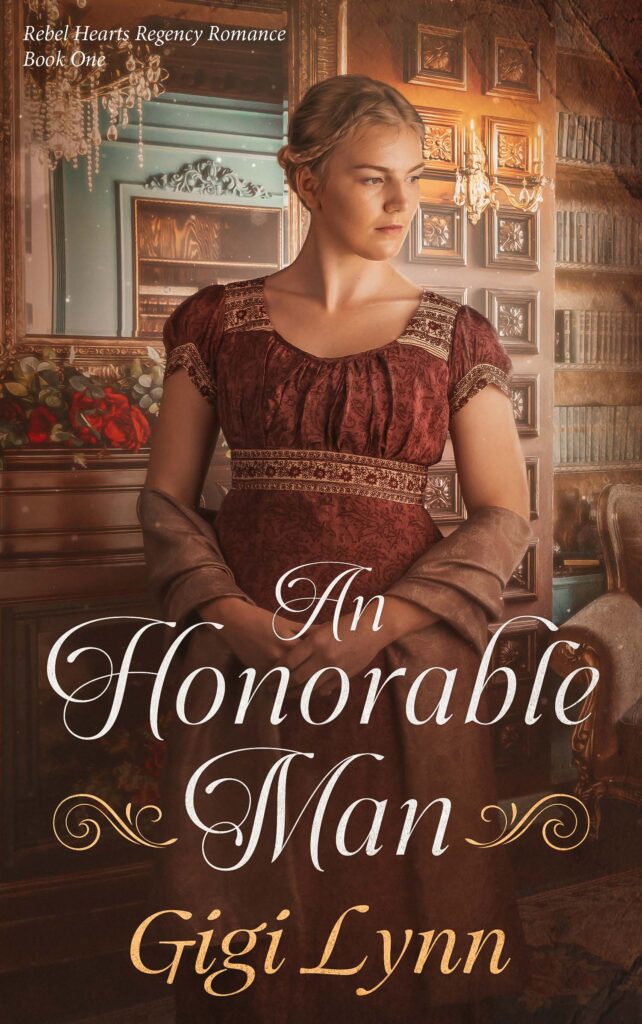
In Book One of Rebel Hearts, An Honorable Man, I barely allude to the reign of terror and the French Revolution. It figures more centrally in Book Two since our main male character, Lord Wycliff, is serving in the diplomatic service in Paris, at least until diplomatic relations are cut off and he must leave.

I am challenged more than I anticipated (but in the best possible way) in writing this epistolary novel. But I love this story of Corinna and Daniel. And of Georgiana and Olivier.

This is only an inspiration image I made in AI, not the final cover

Here is a little sneak peek. The first letter. (One thing you must know to begin this story is that is was very improper for a lady to write to a single, unrelated gentleman during regency times):

November 1, 1792 32 Portman Square London

Dear Georgie,

The days of adventure are over. Romance is dead. We were not waylaid by a highwayman on our way to London.

Instead, my brother arranged everything so that we traveled by easy stages and stopped each night at inns along the way. I wish I could have traveled to town as Rupert did, on the back of a horse. Instead, Jaminna and I rode in the carriage and took turns trying to entertain little Henry. Six-year-old boys should never be closed up in a carriage for four days on end. Neither should twenty-year-old ladies.

You know I cannot read while travelling in a carriage without becoming quite ill, so for four days I watched out the window and tried to think of games and stories engaging enough to while away the time. Lacking imagination, I borrowed some of yours.

But Georgie, there is one particularly lonely, atmospheric stretch of road between Highgate and Islington that sparked my imagination.

Picture this. Millions of stars shimmer above us. A low mist eddies over the road. I, the stupendously beautiful and spoiled Lady Corinna Anne Capener, wealthy beyond words, (it is my story after all), am making my way to take London by storm.

But what is this? Just as the full moon rises over the trees on the eastern horizon, a daring thief rides out of the woods, shoots into the air, and bellows, “stand and deliver.”

The carriage pulls to a shuddering stop. The horses buck and blow, mist rising from their backs. The carriage door opens, and a tall, dark man looms over us. His face is lean and chiseled—No wait, the lower portion of his face is hidden by a mask, and his eyes gleam from beneath the shadow of his hat.

I lift my chin and climb down into the terrifying night, bravely shielding my fellow travelers. Just like in the accounts of Claude Duval, that famous 17th century knight of the road, my gentleman highwayman bows over my hand and agrees to accept less plunder if I dance with him on the moonlit roadside.

I felt quite proud of this gripping beginning to my story. Both Henry and Minna were enthralled. Then Rupert rode up beside us to ask after our comfort. He reminded me of more prosaic probabilities, and I laughed. Even if we were stopped by a thief who was dressed in the latest fashion and acted in the most gentlemanly manner, you know my brother would not like to be relieved of fifty guineas and tied to a tree.

And with my luck our highwayman wouldn’t be a nobleman in disguise, forced by his evil, usurping uncle to make his living on the high toby, but only a garden variety crook, determined to take my pearl ring and necklace and the few pence I had in my reticule.

Worse, it is much more likely I would stare mutely, like a dullard, rather than banter and jest with my creation. I hate to disappoint you, but I am not made for adventure, except as it happens in books.

Despite the uncomfortable monotony (and lack of romantic highwaymen), we arrived in London yesterday and settled into Capener Court. Minna says she is eager to take me shopping to update my wardrobe for the coming season. Can you believe it? She is the most generous soul and exceedingly kind to me when any other lady would resent having to chaperon her husband’s younger sister for a second year.

Really, I don’t know how Rupert convinced her to marry him. Not that he isn’t a good brother, but you know how stuffy and conventional he can be. And we won’t even mention how miserly, not that Minna regards that for one moment. She seems to find it an amusing challenge.

I thank you for the note you slipped into my reticule. It was a delightful interlude on the long journey, although I am not concerned that you will languish as you predict. Before the month is out you will find something to entertain you, even in Folkestone. Exciting things always happen around you. To illustrate, I remind you of the infamous ‘mystery of the purloined handkerchief,’ and the questions surrounding ‘who put the toad in the Vicar’s soup bowl?’

I so wish you could have come with me to town this season as we planned. It is inconvenient in the extreme that your uncle chose this precise time to ride into a fence at Chester Racecourse and die. Even three months of mourning seems too long for a man you never knew.

I just read the last and realize how heartless I sound, but I am feeling selfish. If you were here, the season would be bearable. Instead, I am doomed to endure another string of parties and balls where I must pretend interest in men who have no interest in me beyond my portion, and whose conversation is limited to the weather, their horses and carriages, and the hunt. They would never discuss any interesting topics, with a ‘delicate lady.’

On that topic, I ask you, why is a woman who is as tall as many of the men she stands up with considered delicate?

That question is impossible to answer, so I will admit to the more selfish reason I wish you were here. Dearest Georgie, I don’t know how I am to continue my correspondence with Lord Wycliff if you are not here to smuggle my letters out to the post.

I have thought to beg one of the servants to help me, but they are loyal to Rupert and Minna. No sooner than I reveal my need to one of the maids, I fear she will expose me. I don’t like to think of what my brother will do if he ever discovers that I’ve been exchanging letters with an unrelated, unmarried gentleman, even if it is under the guise of his name.

I must stop, I know. I only await Lord Wycliff’s response to the abstract of my article on Maria Theresa, and then I will stop writing to him. I have already tempted fate far longer than is safe.

Pray for me. Or, upon second thought, don’t pray for me. The last time you prayed to be released from attending Lady Marianne’s birthday celebration, we had pouring rain for weeks.

My dearest friend, Minna is at my door. We are to go to Bond Street this morning to replace my torn pelisse. I hope my letter finds you well, and that you’ll write soon and report all the news. I know you well enough to believe you will have at least one exciting tale.

Ever your affectionate friend,

Corinna

***Of course, when Corinna says she is not made for adventure, you just know that she will not be able to avoid it!

Would you like to read the next letter, this one from Georgie? Sometimes I feel she is going to ‘steal the show’ she is so engaging.


Regency Romance Letters

How I came to be writing an epistolary novel

One of my college professors once said she wanted to write romances because she thought it would be easy. She described her imagined process like this: write a list of common scenes on 3 x 5 cards, shuffle them, and write the scenes in that order.

Photo by Kelly Sikkema on Unsplash

I don’t believe she was a lover of the romance genre. If I were taking her class now, I would argue her assumption of ease and her supposed “systematic” approach. My experience has been so very different and much more difficult than she imagined. (And I think more rewarding than what she described).

Some romance authors probably do write according to a formula. They have a structure, perhaps even a template that works for them. They may plan according to trope before they create character. (Example: I’ll write an enemies to lovers romance. So, who are my main characters? Why do they hate each other? What has to happen to bring them together? Answer those questions and create a story). They may even have a few situations that regularly happen in their books.

There are moments when such a system sounds a little tempting. It might make this writing process easier, but I cannot do it for a few important reasons. (Please understand. These reasons are only important to me, to my process, to my satisfaction and joy in writing. This is not a comment on how other writers plan and write).

This is what I’ve learned (and continue to learn) about my writing.

First, characters come first for me. I can’t start with plot. I don’t know what is going to happen until I know my character, and sometimes not even then. I am often surprised as I write. My characters take on a life of their own and almost always change the plot. This is not comfortable or easy, but it keeps me on my toes. And I love the ride!

Second, I can’t write “to trope.” It’s only after I’m a good way through the story that I might recognize a familiar theme or device. I’m editing my novel Under a Honeyed Moon. It has a little bit of a Cinderella beginning and is fundamentally a forced marriage story. (You know, the couple that is found in a socially compromising situation and must marry). I didn’t start out with these tropes. They developed after Evie looked out her window and started talking to her friend about his plans to run away with another girl.

Temporary Cover created in AI and Bookbrush

Third, even the structure of my novels are guided by the characters. Liza demanded to tell her own story, so first person, single point of view. Amelia and Sidonie followed suit. (Helen and Maris did too). But we had to see both Susan and Magnus in alternating points of view, and in third person. Patience required third person and to be the only point of view. Joie has such a strong voice–first person, present tense, flash fiction (less than 1000 words).

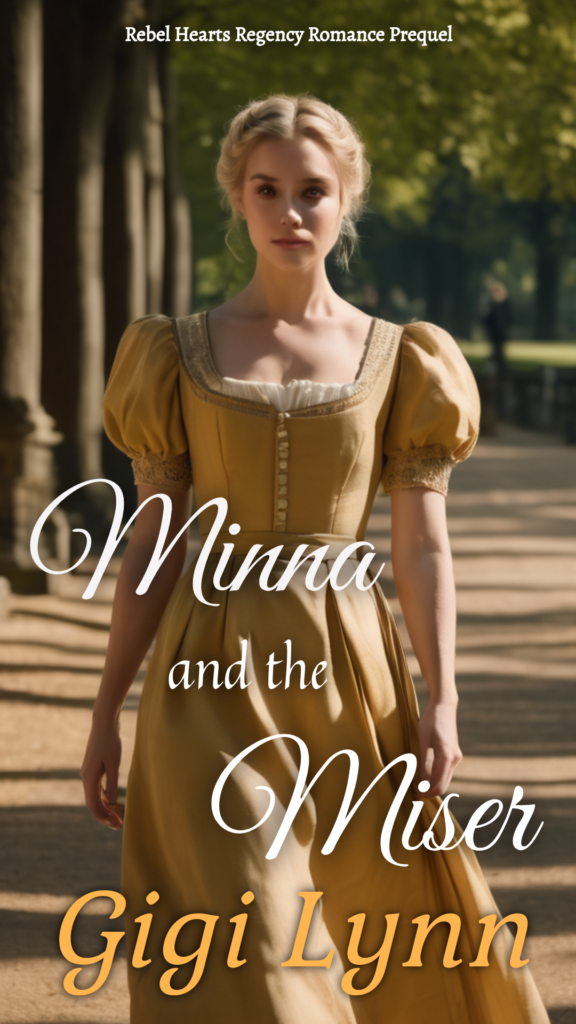
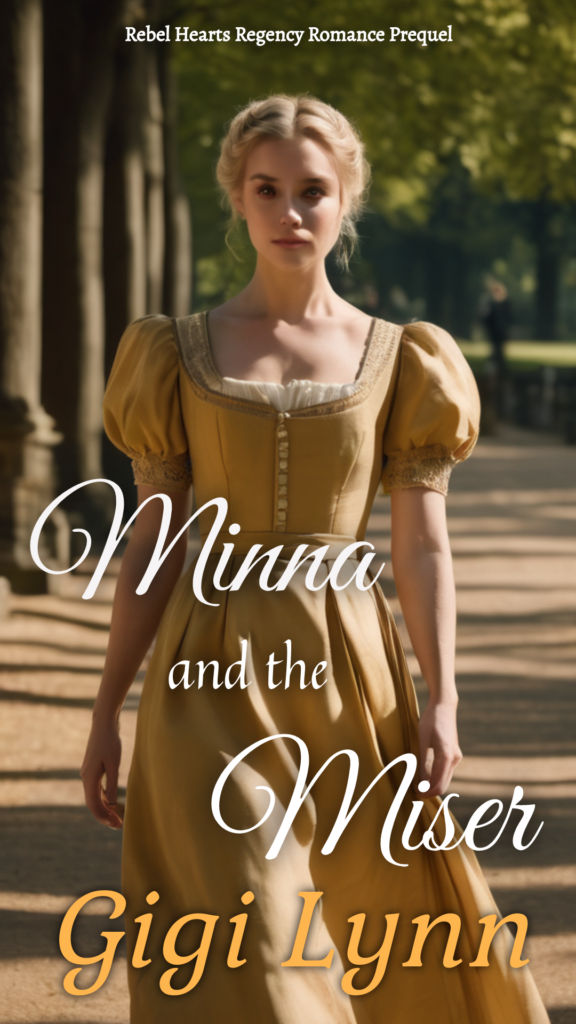
I was sure Minna’s story would be told simply in her POV in third person, except then Rupert wanted a little bit of time at the beginning of each chapter.

Now, I’m writing Corinna’s romance. She’s half in love with Lord Wycliff before the story even begins. But their whole relationship is based on a deception and an innocently meant impropriety. What will she do? I’m still finding out, along with her best friend because suddenly, I’m writing an epistolary novel.

No formula. No 3 x 5 cards. Not easy, but I love it! I love discovering and sharing these people and their love stories with you.

New Book Release Day

It’s live! A new Regency Romance Novel just for you.

I played with a little bit of a reverse Pygmalion story here. Lady Cecily must “refine” Mr. Hatton. If you like My Fair Lady, you’ll love this novel.

Mr. Hatton may not be considered a gentleman, but he has an honorable heart. I think he’s my favorite Main Male Character so far. (But I admit, I do fall in love with each as I’m writing).

This is the first novel in the brand new Rebel Hearts series. Even though I finished writing this love story last spring, I waited to bring it to you until I had written a prequel for the new series and a prequel for the Illusions series as well.

Then I spent some time writing bonus stories for each of my novels so far. Lots and lots of romance because who can have too much romance?

Get this one for FREE

Now, I am about 2/3 of the way through writing Rebel Hearts, Book Two! So far, it’s titled Dear Lord Wycliff. It looks like I may be able to release that one in February or March.

Happy reading, and happy holidays.

Three New Romances In the Month of November

Writing Romance–Fast

I tried something new and challenging in my Romance Writing life in November (Challenging myself is becoming a theme).

Photo by Abdul Gani M on Unsplash

You probably have never heard of Nanowrimo, but for the last few years, I’ve been wanting to try it. Nanowrimo stands for National Novel Writing Month. This world-wide event is held every November–Yes, I’m sorry to say, it is in November.

When an author or aspiring author signs up for Nanowrimo, they accept the challenge to begin a new novel on November 1, and try to write 50,000 words by the end of the month. The idea is that by the end of the month, you will have finished a short novel. Think of it–a new romance novel in one month!

I want to tell you about my month long experience. First, let me say, I did not cheat. I planned start a brand new novel that has been percolating in the back of my mind for the last few months. The main character of this first in a new series is Angelica, or Angel as her family calls her, so I’ll use Angel as the working title for now.

Though I didn’t cheat, I also didn’t follow the rules exactly. I just could not begin Angel before I finished An Honorable Man. So, I spent the first 5-6 days finishing the last 11,000 words of this novel. I love it so much, I had a hard time moving on. I just wanted to go back and start editing so I can get it into your hands as soon as possible. But I held strong and kept writing.

So, even though I didn’t begin with the new work on November 1, I planned to write a whole new work in November. I would just start on the 6th. Then, the night before I started Angel, I had this idea for a romance novella. It came into my mind almost fully formed in terms of plotting and characters. I made a sudden departure from my plan and started writing a totally new romance novella.

This is Lady Evelyn’s story. It has some Cinderella elements and then turns into a forced marriage trope. The working title is Honeyed Moon. I worked through the bulk of the month telling the story of Evie and Cam (Lord Camden). I get chills when I think of this novella, which I do believe I will add to in editing. I think it needs to be a full length novel.

So, there I am on Thanksgiving day, surrounded by my family (all 37 of them). I’ve finished for former Work In Progress (An Honorable Man). I’ve finished the surprise Novella (Honeyed Moon). But I am still 5000 words shy of the 50,000 word mark.

So, after my family left, I went back to the original plan and began my new series with Angel and Ramsay’s story. I’m four chapters into that story.

Photo by Laura Kapfer on Unsplash

Three novels in various stages in one month. I’m astounded, and tired. Mostly, I am so excited to bring these romances to you. In a perfect world, you’ll have one in January, one in March, and one in May/June. Cross your fingers for me. I’m working furiously.

Critical Reader? I want to meet you!

It’s a commonly held belief that extensive reading improves writing. I’m not sure that’s always true. Mostly when I read, I suspend my disbelief and enter the world of the book. I ride along with the main character and just enjoy the experience. Reading is fun, and rewarding, and fabulous!

I’m not sure that kind of reading makes me a better writer, but I love it.

Photo by Blaz Photo on Unsplash

Now, when I buckle down and read critically (looking at structure, tone, character arc, plot development, etc.), reading probably improves my writing. I ask questions. How did this author build tension? What is the main character’s goal? How does the author establish that goal and build conflict? I watch to see if the beginning leads naturally to the next part, and to the next. Are there big leaps that leave me behind? Are the character’s actions consistent their personality?

Even though it’s fiction, is the world credible? Are the characters believable? Do they fit into the world?

(A little rant here. I struggle when I’m reading a historical romance and the heroine is–let’s be honest–a 21st century girl. Unless it’s a time travel novel. That regency, or Victorian lady may be forward thinking. She may be a maverick, but she still has to live with the mores and expectations of her time. Lizzie Bennett challenged and pushed against traditional feminine expectations, but she knew her world. She was an early 19th century woman).

Back now to critical reading. Are you a critical reader? Do you mentally “fix” the novels that you read? Do you have books you just cannot finish because of these kind of weaknesses.

If you are a critical reader, I really want to meet you. I want your input on my writing. I’m building a beta-reading team. If this is something that interests you , email me.

« Older posts Newer posts »

© 2026 Gigi Lynn

Theme by Anders NorenUp ↑