And the limitation of words
I believe words have power.
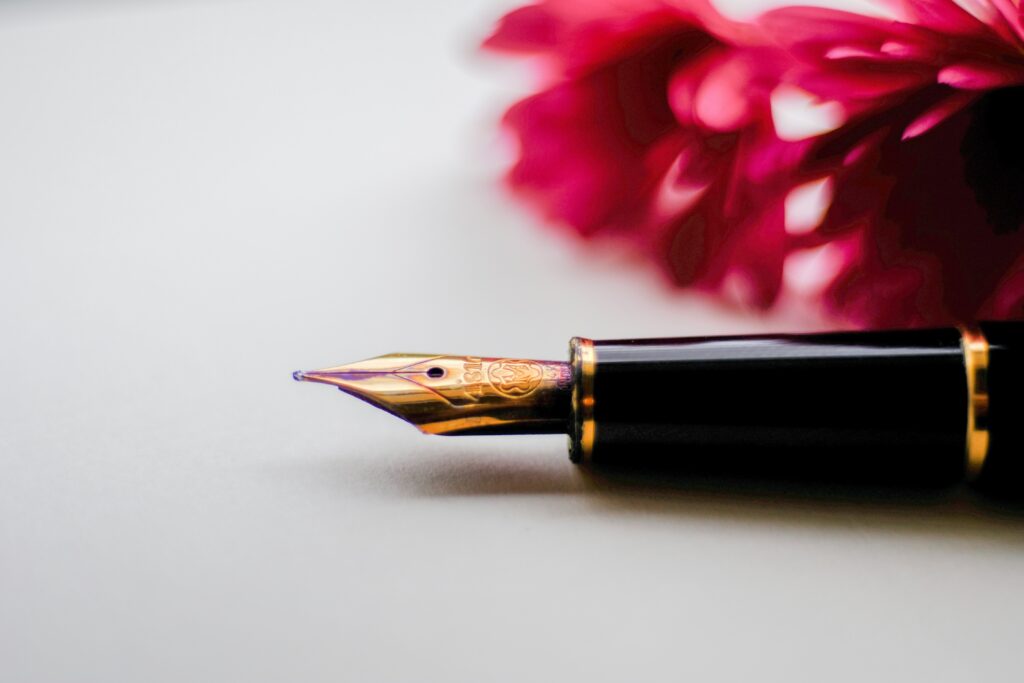
“The word is mightier than the sword.” (BTW: The Assyrian sage, Ahigar, said it this way. Edward Bulwer-Lytton rephrased it as, “the pen in mightier than the sword in his 1839 play, Richelieu: Or the Conspiracy).
(And yes, I am that much of a nerd that I looked that up).
We use words to communicate, create connection, persuade, uplift, inspire, describe, evoke emotion, and entertain. And we try to find the best words, hoping to say exactly what we mean or what we feel in a way that you will understand. Really understand.
But I can’t deny there are definite limitations to spoken and written language.
The most important things in life are abstract. They defy being encapsulated by a mere word. Love. What does it mean? How does it feel? Is it always the same? Always the same for everyone?
Beauty, Honor, Compassion. Anger, Hate, Despair. Can words really hold so much meaning? Can they really communicate?
What does a writer do when words won’t capture and express meaning?
We try harder. We describe common experiences or use symbols that speak beneath words. We look for devices like metaphors or similes to compare the unspeakable to something concrete and understandable.
We play with the sounds of language so that the words mimic the experience.
We search for stronger imagery. Or reference the works of other authors or universally familiar stories, myths, or legends.
I can only speak for myself, but I practice and refine my craft. It is an endless quest and hope to master the impossible–to speak to your heart and soul, beyond words, so that you feel what I feel. So that we understand each other and, perhaps, realize we are not really alone.